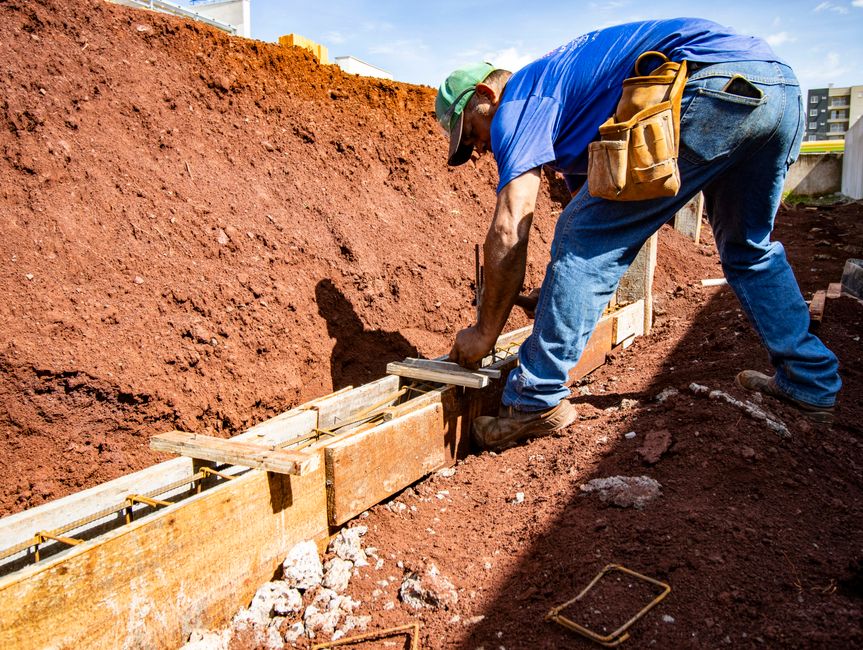
Pier and beam foundation repair in Dallas often starts with a sinking feeling — literally. Homeowners notice sloping floors, sticking doors, or hairline cracks creeping up drywall, and suddenly the charm of an older Dallas bungalow feels like a liability.
The expansive North Texas clay soil shifts dramatically between drought and downpour, putting constant stress on wooden piers, sill beams, and shimmed supports beneath the home. Left unchecked, these subtle warning signs can escalate into thousands of dollars in structural damage, plumbing line breaks, and insulation failures.
Local pier and beam foundation contractors typically inspect crawl space conditions, measure floor elevations, and recommend targeted repairs ranging from shim adjustments to full pier replacement. Professional companies in Dallas usually price these repairs between $3,500 and $15,000 depending on severity.
Get matched with vetted Dallas-area foundation specialists through our.
Quick Takeaways
- Pier and beam systems rest on wood beams supported by concrete or steel piers, leaving a crawl space that allows access for inspection and targeted repairs.
- Common warning signs include sloping floors, sticking doors, gaps around baseboards, and visible wood rot or moisture in the crawl space.
- Typical project costs in the Dallas market range from $3,500 for minor shimming and leveling to $15,000 or more for extensive pier replacement and structural reinforcement.
- Local soil conditions, particularly expansive Dallas clay, drive seasonal movement that homeowners should monitor through wet and dry cycles.
- Homeowners seeking estimates can use this to connect with vetted contractors who handle inspection, drainage assessment, and structural repair.
What Pier and Beam Foundations Are and Why Dallas Homes Have Them
A pier and beam foundation is a raised structural system in which a home sits on a grid of concrete piers driven into the soil, topped by horizontal wood beams that support the floor joists above.
Between the ground and the underside of the home is an accessible crawl space, typically 18 to 36 inches tall.
This design contrasts sharply with slab-on-grade construction, where the home rests directly on a single poured concrete pad. Slab homes became the Texas standard after the 1960s because they were cheaper and faster to pour.
Older neighborhoods in Dallas, however, predate that shift and still rely on the older raised system.
Why Older Dallas Neighborhoods Rely on This Foundation Type
Most homes built in Dallas before 1960 sit on pier and beam foundations. Historic districts such as Oak Cliff, the M Streets, Lakewood, and East Dallas were developed during eras when raised construction was the norm for several practical reasons.
- Soil movement tolerance — North Texas clay shifts seasonally, and a raised system allows targeted repairs rather than full slab replacement.
- Plumbing access — A crawl space gives plumbers and electricians direct entry to pipes and wiring without breaking concrete.
- Ventilation — Air flow beneath the home helped manage humidity in the days before modern vapor barriers and HVAC systems.
- Lower upfront cost — In the early to mid 20th century, pouring a slab across a full home footprint required more concrete than most builders wanted to commit to.
Bungalows, Tudors, and craftsman homes throughout Dallas were almost universally built this way. A typical setup includes 20 to 40 individual piers spaced roughly 6 to 8 feet apart, with wood beams running across them and floor joists laid perpendicular on top.
Homeowners in these older Dallas neighborhoods should understand that their foundation behaves very differently from a modern slab. Repairs are generally more localized and less invasive, but the wood components introduce vulnerabilities that slab homes do not face — including rot, insect damage, and beam settlement.
Professional contractors who specialize in this construction type approach inspections and repairs with methods tailored specifically to raised systems.

How North Texas Expansive Clay Soil Damages Pier and Beam Foundations
The ground beneath most Dallas County properties contains Houston Black clay, a dense soil classified as one of the most expansive in the United States. This clay can swell up to 30 percent in volume when saturated and shrink dramatically as it dries.
For raised foundations, this constant vertical movement translates directly into pier settlement, shifting beams, and uneven load distribution across the structural grid.
North Texas experiences a punishing cycle of summer drought followed by intense rainfall events. During hot, dry stretches, soil moisture levels around the perimeter drop sharply, causing the clay to contract and pull away from concrete piers.
When fall and spring storms arrive, the same soil rapidly rehydrates and pushes back upward with tremendous force.
Damage Patterns Specific to Raised Foundations
Unlike slab homes, raised structures expose more wood and metal components to ground-level conditions. Local foundation contractors typically observe several distinct failure modes tied to expansive soil behavior in the Dallas region:
- Differential pier movement — perimeter piers shift more than interior ones because edge soil dries faster, creating a bowl effect under the home
- Beam rot and fungal decay — trapped humidity in poorly ventilated crawl spaces accelerates wood degradation, especially after flood events
- Pier-cap separation — clay heave can push piers up faster than the beams resting on them, leaving visible gaps
- Skirting and vent damage — soil expansion buckles perimeter walls and crushes foundation vents needed for moisture control
Mature trees common in older Dallas neighborhoods compound the problem. Large root systems from oaks and pecans extract enormous volumes of water from the surrounding clay, creating localized dry zones that pull piers downward on one side of the home.
Homeowners often notice settlement worst on the side closest to a large tree.
Drainage issues amplify everything. Clogged gutters, flat lots, and poor grading channel rainwater toward the foundation perimeter, saturating the clay directly beneath the outermost piers. Within a few seasonal cycles, this localized saturation can cause measurable elevation changes that vetted contractors document during a comprehensive inspection.
Understanding these soil-driven mechanisms helps homeowners recognize that pier and beam damage in this region is rarely a one-time event — it is the cumulative result of clay behavior responding to the local climate.
Why It Matters in Dallas
Dallas homeowners face a unique foundation challenge that residents of other regions rarely encounter. The combination of shifting clay soil, extreme heat cycles, and aging housing stock means pier and beam systems quietly deteriorate beneath thousands of homes across East Dallas, Oak Cliff, and Lakewood.
Ignoring early warning signs allows minor settlement to escalate into structural damage that affects resale value, insurance coverage, and daily livability.
Acting early protects what is typically a homeowner's largest investment. Local contractors familiar with North Texas conditions can diagnose issues accurately and recommend repairs sized to the actual damage, not generic fixes that overlook regional soil behavior.
Warning Signs Your Dallas Pier and Beam Foundation Needs Repair
Pier and beam failure tends to announce itself underfoot before it shows up on the walls. Homeowners typically notice sloping floors that pitch toward one corner of a room, or bouncy floorboards that flex when someone walks across them.
Unlike slab homes, where cracks in tile and drywall dominate the early symptoms, pier and beam houses telegraph distress through the wood structure itself.
Another common indicator involves door frames and window casings that fall out of square. Doors begin sticking at the top corner, gaps appear above baseboards, and trim pulls away from the wall as joists settle unevenly.
Professional inspectors in the Dallas area often find these cosmetic clues lead directly to deeper issues inside the crawl space.
Symptoms Visible from the Crawl Space
A trained contractor entering the crawl space looks for structural distress that homeowners cannot see from above. Typical findings include:
- Rotted beams or sill plates softened by chronic moisture from poor drainage
- Sagging girders that have lost contact with their supporting piers
- Cedar or concrete piers that have shifted, cracked, or sunk into the clay
- Evidence of prior shimming that has compressed, fallen out, or rotted away
- Standing water, efflorescence, or fungal growth on wood members
- Termite galleries or wood-destroying insect damage in load-bearing members
Each of these conditions points to a different repair scope. A pier that has dropped two inches calls for jacking and re-shimming, while a beam with advanced rot requires partial or full sistering before any leveling work begins.
How Pier and Beam Symptoms Differ from Slab Failure
Slab homes fail from the perimeter inward, producing diagonal cracks in brick veneer, separated mortar joints, and wedge-shaped gaps at the corners of door frames. Pier and beam homes, by contrast, fail from the interior outward.
The floor deflects first, then interior walls show movement, and exterior brick is often the last system to crack.
Recognizing this distinction helps homeowners describe the problem accurately when requesting an inspection, and it helps contractors arrive prepared with the right diagnostic tools rather than the wrong assumption about what kind of repair the home needs.

Pier and Beam Repair Methods Used by Dallas Foundation Contractors
Pier and beam systems fail in different ways, so Dallas contractors rely on a toolkit of repair techniques rather than a single fix. The right method depends on whether the problem is a sagging floor, a rotted wood member, a settled support, or a moisture-soaked crawl space.
A qualified inspector typically maps each issue on a foundation diagram before recommending an approach.
Shimming and Pier Adjustment
The least invasive technique is shimming, where steel or hardwood plates are added between an existing support and the wood girder above it. This raises a low spot back to level when the underlying pier itself is still sound.
Shimming works well for minor settlement under 1 inch and is often the first repair attempted in older Dallas bungalows where the original cedar blocks have simply compressed over decades.
Pier Replacement: Concrete and Steel
When an original support has cracked, tilted, or sunk into the clay, full pier replacement is required. Two materials dominate the North Texas market:
- Concrete piers — poured-in-place or precast cylinders set on a footing roughly 3 to 5 feet below grade. These are the budget-friendly choice and handle vertical loads well in stable soil pockets.
- Steel piers — driven hydraulically until they reach load-bearing strata, sometimes 15 to 25 feet down. Steel is preferred where expansive clay extends deep or where a previous repair has already failed.
Professional companies in the area generally recommend steel for perimeter supports near drought-stressed trees and concrete for interior piers under more stable interior soil.
Beam Sistering and Wood Replacement
Decades of subfloor moisture often leave girders cracked, split, or eaten by termites. Beam sistering bolts a new pressure-treated member alongside the damaged original, restoring load capacity without removing the floor system above.
When rot is extensive, full beam replacement may be necessary, with temporary jacks holding the structure during the swap.
Crawl Space Encapsulation
Repairs fail prematurely if the underlying moisture problem is ignored. Crawl space encapsulation seals the dirt floor with a heavy polyethylene vapor barrier, insulates foundation walls, and adds a dehumidifier to keep humidity below 60 percent.
Homeowners considering this upgrade should expect costs between $5,000 and $12,000 depending on square footage, but the wood members and metal hardware below the home last considerably longer afterward.
Get matched with vetted contractors via our to compare which combination of these methods fits a specific home's diagnosis and budget.
Pier and Beam Foundation Repair Costs in the Dallas Area
Pier and beam repair pricing in Dallas varies widely because every home sits on a different combination of soil moisture, crawl space access, and structural condition.
Homeowners researching quotes should expect a range rather than a flat number, and reputable contractors typically itemize their bids so each line item is traceable.
Based on 2026 market data gathered from Dallas-area foundation companies, typical price bands break down as follows:
- Per pier pricing: roughly $300 to $600 per pier for shimming and re-leveling existing concrete piers; $700 to $1,200 per pier when full pier replacement is required.
- Partial leveling (5 to 8 piers): commonly $2,500 to $5,500, depending on jacking complexity and crawl space depth.
- Full home leveling: generally $6,000 to $12,000 for an average-sized Dallas bungalow with 18 to 25 support points.
- Sistered or replaced wood beams: $80 to $150 per linear foot, with full perimeter beam replacement reaching $8,000 to $15,000.
- Crawl space encapsulation: $5,000 to $9,000 for vapor barrier, drainage, and conditioned air sealing.
What Drives Pricing in Dallas
Several local factors push quotes toward the upper or lower end. Labor rates in the Dallas-Fort Worth metro currently run $65 to $95 per hour for skilled foundation crews, which is higher than smaller Texas markets but lower than coastal cities.
Homes in older Dallas neighborhoods like Oak Cliff, Lakewood, and East Dallas often have limited crawl space access, and tight clearances add labor hours.
Permit fees also factor into the total. The City of Dallas requires a building permit for structural foundation work, with fees typically ranging from $150 to $450 based on project valuation. Some historic districts add design review charges.
Soil conditions matter too: properties with active expansive clay movement may need supplementary drainage or root barriers, adding $1,500 to $4,000 to the scope.
Homeowners comparing estimates should ask each contractor to itemize per pier pricing, beam linear footage, permit costs, and any soil remediation separately. connects Dallas homeowners with vetted local pier and beam specialists who provide written, line-itemized estimates so cost comparisons are apples to apples.
The Pier and Beam Repair Process from Inspection to Completion
A pier and beam project in Dallas typically follows a predictable sequence, and understanding the full timeline helps homeowners plan around the work. Most jobs run two to seven days on site, with another one to three weeks of scheduling and permitting beforehand depending on scope and crew availability.
and Structural Engineer Report
The process begins with a , during which a contractor enters the crawl space, takes elevation readings across the floor, and documents rotted wood, sagging beams, and shifted piers. For minor shimming work, this inspection alone is usually enough to scope the project.
For larger repairs involving pier replacement or beam replacement, Dallas homeowners should expect a referral to an independent structural engineer. The engineer produces a stamped report specifying pier locations, depths, and load calculations, which generally costs $400 to $800 and takes one to two weeks to complete.
Permits, Repair Work, and Final Verification
Once the scope is set, the contractor pulls the required permits with the City of Dallas through the Department of Development Services. Foundation repair permits are mandatory for any structural work that adds, replaces, or relocates piers, and the city typically issues them within five to ten business days.
Skipping this step can void homeowner insurance and complicate any future sale of the property.
- Day 1: Crew tents the work area, removes crawl space access panels, and stages materials
- Days 2 to 5: Targeted repairs are executed — pier installation, beam sistering or replacement, and shim adjustments under load
- Final day: A post-repair leveling check is performed with a laser level to confirm floors are within acceptable tolerance, generally one half inch across twenty feet
After verification, the contractor schedules a city inspection to close out the permit, and the homeowner receives a written warranty covering the repaired piers. Lifetime transferable warranties are standard for new concrete piers, while shimming and cosmetic work usually carry a one to five year guarantee.
Homeowners should keep the engineer report, permit closeout, and warranty documents together for resale disclosures.
Common Mistake to Avoid
The most costly mistake Dallas homeowners make is treating a sagging floor as cosmetic and waiting for it to worsen before calling a contractor. A single soft pier under a pier and beam foundation rarely stays isolated.
Moisture migrates through the crawl space, adjacent piers shift, and wood beams begin to rot where they contact damp soil. What started as one $700 pier replacement can grow into a $12,000 partial rebuild within 2 to 3 years.
Schedule an inspection at the first warning sign, not after drywall cracks appear.
How to Choose a Qualified Pier and Beam Repair Contractor in Dallas
Vetting a pier and beam repair contractor in Dallas requires more than a quick online search. Homeowners should expect every qualified company to carry a licensed contractor credential, general liability coverage, and workers' compensation insurance before any worker enters the crawl space.
A clean record matters in this market because foundation work in older Dallas neighborhoods like Oak Cliff, Lakewood, and Kessler Park involves century-old wood framing that punishes inexperience.
Reputable companies typically hold an A or A+ rating with at least 5 years of documented pier and beam projects, not just slab work.
Documentation Homeowners Should Demand
Professional contractors in Dallas provide a written estimate that itemizes pier counts, shimming locations, beam replacement footage, and crawl space drainage scope. The most reliable companies pair this with an engineer-stamped scope of work prepared by an independent structural engineer — not an in-house engineer paid by the contractor.
A transferable warranty of 10 to 25 years is the industry benchmark for pier and beam repairs in North Texas. Homeowners selling within the warranty window can pass the coverage to the next buyer, which protects resale value.
Verify that the warranty document names the company, not a third-party administrator that may disappear.
Red Flags to Avoid When Hiring
- Door-to-door solicitation after a heavy rain or drought stretch — legitimate Dallas firms do not canvass neighborhoods
- Verbal estimates or napkin sketches instead of a detailed written estimate with line-item pricing
- Pressure to sign on the first visit or deposits exceeding 30 percent before work begins
- No proof of an independent structural engineer stamp on the repair plan
- Refusal to provide a transferable warranty in writing or vague language about coverage exclusions
- Lack of references from historic Dallas neighborhoods with documented pier and beam history
Homeowners researching options can use this to get matched with vetted licensed contractor teams that meet these criteria, compare written scopes side by side, and avoid the common pitfalls of hiring the first company to answer the phone.
Pier and Beam Foundation Repair Cost Breakdown (Dallas Area)
| Repair Type | Cost Range (Dallas) | Typical Timeline |
|---|---|---|
| Single pier replacement or shimming | $300 to $700 per pier | One to two days |
| Sistering or replacing rotted wood beams | $1,200 to $4,500 per beam run | Two to four days |
| Partial releveling (5 to 10 piers) | $2,500 to $6,000 | Two to three days |
| Full pier and beam releveling | $5,000 to $12,000 | Three to five days |
| Crawl space drainage and grading work | $1,500 to $4,000 | One to three days |
| Major structural rebuild with new concrete piers | $8,000 to $15,000 or more | One to two weeks |
Frequently Asked Questions
How long does a typical pier and beam repair project take in Dallas?
Most pier and beam projects take three to seven days from start to finish, though scope drives the timeline. Smaller jobs involving shimming a few piers can wrap up in a single day, while full pier replacement under a larger home often runs one to two weeks.
Weather, permit timing, and crawl space access also affect duration. Contractors typically provide a written schedule after the structural inspection.
Can homeowners stay in the house during pier and beam repairs?
Most homeowners remain in the home throughout the project. Crews work from the crawl space rather than inside, so daily life continues with minor disruption. Expect periodic vibration and noise from jacks and tools, plus brief utility interruptions if plumbing runs near work areas.
Pets and small children may be more sensitive to the activity, and some homeowners prefer to relocate during heavy lifting days.
Does homeowners insurance cover pier and beam repair?
Standard homeowners policies in Texas typically exclude foundation movement caused by soil expansion, settling, or normal wear. Coverage may apply when damage results from a covered peril like a plumbing leak under the home or a vehicle impact.
Reviewing the policy declarations and consulting the carrier before scheduling work is wise. Documentation from a licensed structural engineer strengthens any claim that does qualify for coverage.
Can a home with foundation issues still be sold?
Yes, though disclosure is required under Texas property law. Sellers must report known structural problems on the Seller's Disclosure Notice. Buyers often request repairs before closing or negotiate a price reduction reflecting the estimated cost.
Some sellers obtain a structural engineer's report and complete repairs in advance to attract conventional financing, since lenders may decline mortgages on homes with active foundation movement.
Do pier and beam repairs come with a warranty?
Most reputable contractors offer transferable warranties on pier replacement work, often ranging from five to 25 years depending on the provider. Warranty terms differ on shimming and beam adjustments, which may carry shorter coverage of one to three years.
Reading the fine print matters because soil-related re-movement, drainage failures, and homeowner-caused damage are commonly excluded. Asking for the warranty in writing before scheduling work helps avoid disputes later.
What ongoing maintenance helps prevent future foundation problems?
Maintaining consistent soil moisture around the perimeter is the single most important habit. Homeowners can install soaker hoses 12 to 18 inches from the foundation and run them during dry months. Keeping gutters clear, extending downspouts away from the home, and grading soil to slope outward also reduce risk.
Annual crawl space inspections catch early wood rot or pier shifting before major repairs become necessary.
A pier and beam foundation in Dallas can last for generations when issues are addressed early, but the expansive clay soil beneath North Texas homes makes proactive monitoring essential.
Whether the problem is a sagging beam, a settled pier, or moisture in the crawl space, the right contractor will diagnose the root cause before recommending repairs.
Skip the guesswork of vetting contractors on your own. Get matched with vetted Foundation Repair in Dallas, TX via our -matching form and connect with a qualified specialist for a and written estimate.