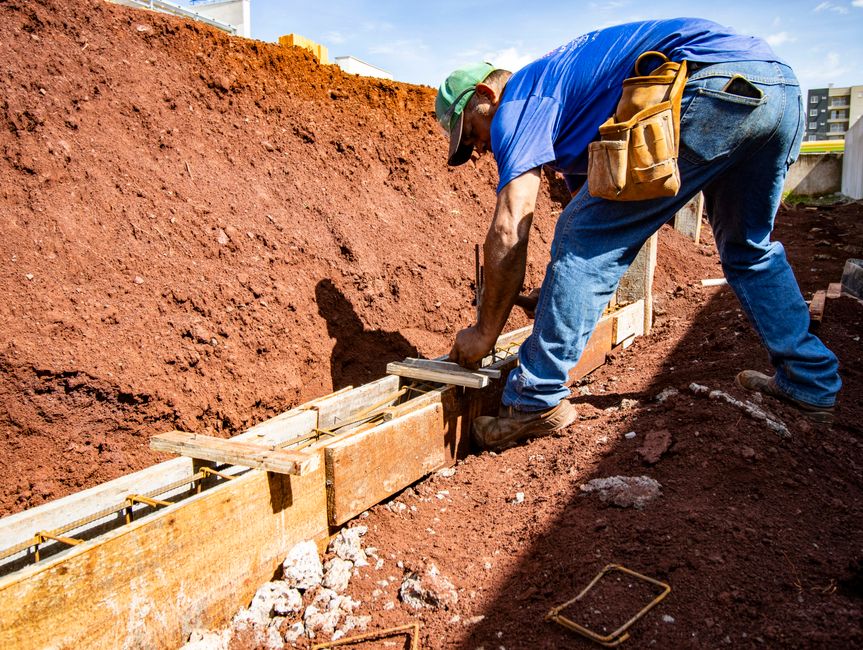
Understanding when to do foundation repair Dallas is crucial for homeowners facing cracks, uneven floors, or doors that stick. The unique clay soil and seasonal weather patterns in Dallas often cause foundation shifting and settlement issues.
Choosing the right time for foundation repair can reduce risks of water damage, mold growth, and further structural problems. Local contractors typically advise scheduling repairs during periods when the soil moisture is stable, avoiding extremes of drought or heavy rain.
This timing helps ensure the repair materials set properly and the foundation stabilizes effectively. Homeowners looking for reliable solutions should consider seasonal factors to protect their investment and maintain their property’s safety and value.
Quick Takeaways on Foundation Repair Timing in Dallas
- Spring and fall are often ideal for foundation repair in Dallas due to moderate temperatures and lower humidity.
- Extreme heat in summer can complicate soil moisture levels, affecting repair stability.
- Winter months tend to have less soil movement, but rain and freezing can delay some repair methods.
- Soil type and weather patterns in Dallas influence the best timing for effective foundation repair.
- Professional companies in Dallas usually assess seasonal conditions before scheduling to optimize repair outcomes.
How Dallas Weather Patterns Affect the Timing of Foundation Repair
Dallas, Texas experiences distinct weather patterns that significantly influence foundation stability and the timing of repairs. The region's climate is marked by hot summers, mild winters, and variable rainfall, all of which affect soil moisture levels beneath foundations.
These fluctuations can cause soil to expand and contract, leading to foundation movement and damage over time.
Heavy rainfall periods in Dallas often increase soil moisture, which may saturate the soil and reduce its load-bearing capacity. Conversely, extended dry spells cause the soil to shrink and pull away from foundation walls. Both conditions pose risks to foundation integrity, making timing critical when scheduling repairs.
Temperature fluctuations also play a role in soil behavior. Rapid changes between hot daytime temperatures and cooler nights can accelerate soil contraction and expansion cycles. This dynamic impacts the effectiveness of certain repair methods and the longevity of solutions applied during different seasons.
Key Weather Factors Impacting Foundation Repair Timing in Dallas
- Rainfall: High precipitation increases soil moisture, potentially delaying repairs due to unstable ground conditions.
- Dry periods: Extended droughts cause soil shrinkage, which can worsen foundation cracks but may improve repair stability once moisture returns.
- Temperature swings: Large daily or seasonal temperature variations influence soil movement patterns, affecting repair scheduling decisions.
Optimal Seasons for Foundation Repair in Dallas and Why They Matter
In Dallas, the timing of foundation repair is closely linked to the city's distinct seasonal soil moisture fluctuations. Dry seasons typically cause expansive clay soils to shrink, increasing the risk of soil movement and foundation settlement.
Conversely, rainy seasons saturate the soil, which can temporarily stabilize it but also lead to water infiltration issues that worsen foundation problems.
Professional companies usually recommend scheduling foundation repairs during periods when soil moisture levels are more stable, minimizing further soil expansion or contraction during the repair process. In Dallas, this often means targeting late fall or early spring.
During these times, the ground is neither excessively dry nor overly saturated, providing optimal conditions for repair methods to achieve lasting repair stability.
Key Seasonal Considerations for Dallas Foundation Repair
- Late Fall: Soil moisture levels begin to stabilize after the summer dry spell, reducing excessive soil shrinkage and allowing for more predictable repair outcomes.
- Early Spring: Following winter rains, soil moisture is elevated but consistent, which helps prevent sudden soil contraction during repairs.
- Avoid Peak Summer: High temperatures and prolonged dry conditions cause significant soil shrinkage, increasing the risk of post-repair settlement.
- Avoid Heavy Rainy Periods: Intense rainfall can saturate soil excessively, leading to unstable foundations and complicating repair efforts.
Homeowners looking for foundation repair in Dallas should expect contractors to consider these seasonal factors carefully. Choosing the optimal season enhances the effectiveness of repair methods and reduces the likelihood of future foundation issues caused by Dallas' unique soil and climate patterns.
Common Challenges Homeowners Face When Scheduling Foundation Repairs in Dallas
Homeowners in Dallas seeking foundation repair often encounter several challenges that complicate scheduling. One primary obstacle is weather delays, as heavy rainfall or extreme heat can hinder the progress of repairs and affect soil conditions. These interruptions may extend project timelines and impact repair stability.
Another significant issue is the unpredictable nature of soil expansion and contraction, common in Dallas's clay-rich soils. Soil movement caused by fluctuating moisture levels can exacerbate foundation problems, making it difficult to determine the optimal window for repairs. This variability requires careful monitoring and flexible scheduling.
Additional Challenges Affecting Repair Timing
- Contractor availability: Demand for foundation repair contractors in Dallas often peaks during favorable weather, leading to limited scheduling options and potential delays.
- Permitting and inspections: Navigating local regulations can add time before work begins, especially if unexpected issues arise during assessments.
- Access and site preparation: Properties with difficult terrain or landscaping may require extra preparation, influencing the start date.
Understanding these common obstacles helps homeowners set realistic expectations when planning foundation repair. Engaging with professional contractors early through a vetted service can assist in overcoming these challenges by aligning repair timing with soil conditions, weather patterns, and contractor schedules in Dallas.
Best Time of Year for Foundation Repair in Dallas
| Service Type | Cost Range | Typical Timeline |
|---|---|---|
| Slabjacking | $500 - $1,500 | 1 - 3 days |
| Helical Piers Installation | $1,000 - $3,500 | 2 - 5 days |
| Steel Pier Foundation Repair | $1,200 - $4,000 | 3 - 7 days |
| Wall Anchor Installation | $1,000 - $3,000 | 1 - 3 days |
| Drainage System Improvement | $800 - $2,500 | 2 - 4 days |
Frequently Asked Questions
What is the best season for foundation repair in Dallas?
The best season for foundation repair in Dallas is typically during the late fall to early spring months. During this period, soil moisture levels tend to be more stable, reducing the risk of further soil movement that can affect repair stability.
Why does soil moisture affect foundation repair timing?
Soil moisture directly impacts soil shrinkage and expansion, which are major causes of foundation issues. Repairing when soil is too wet or too dry can lead to ineffective results, as saturate soil or overly dry soil can cause shifting after repairs.
Can foundation repairs be done during the summer in Dallas?
While foundation repairs can be completed during summer, the high temperatures and potential for dry soil conditions in Dallas often lead to increased soil shrinkage. This can complicate repair methods and affect long-term repair stability.
How do Dallas weather patterns influence scheduling foundation repairs?
Dallas weather patterns, including cycles of drought and heavy rain, cause fluctuating moisture levels in the soil. These variations impact the timing of repairs since contractors aim to work when the soil is less likely to expand or contract, ensuring more durable foundation repair.
Is it possible to schedule foundation repair during wet seasons?
Scheduling foundation repair during wet seasons is generally less ideal due to increased risk of water damage and soil saturation. Excess moisture can undermine repair efforts, leading to potential delays and higher costs associated with managing saturated soil conditions.
Homeowners in Dallas, TX should carefully consider local soil moisture and weather patterns when planning foundation repair. Optimal timing helps ensure repair stability by addressing soil shrinkage and soil movement during less volatile soil conditions.
Scheduling repairs during periods of moderate moisture levels reduces risks of water damage and enhances the effectiveness of common repair methods.
Get matched with vetted Foundation Repair in Dallas, TX via our -matching form to connect with professional contractors offering thorough evaluations and tailored repair solutions.